There’s a special kind of magic to running in the Philippines. Whether it’s the early morning calm of the CCP Complex, the bustling energy of BGC, or the scenic routes in provincial towns, the passion for running is undeniable. But let’s be real, kabayan. The tropical heat and humidity adds a unique layer of challenge to our runs, making us more susceptible to injuries if we’re not careful. That nagging feeling in your knee after a run? That sharp pain in your shins? You’re not alone. Many athletes face these hurdles, but the good news is, they are largely preventable.
This guide is your new training buddy. We’ll break down the essentials of injury prevention, from pre-run rituals to post-run recovery, all tailored for the Filipino runner. Let’s make sure every stride you take is strong, safe, and pain-free.

Understanding Common Running Injuries in Manila’s Climate
Before we get into the solutions, it’s important to know the common culprits that sideline runners. In a high-humidity environment like Manila, your body works overtime to cool down, leading to quicker fatigue and potential lapses in form. This is where the problems often start.
Common Culprits for Filipino Runners:
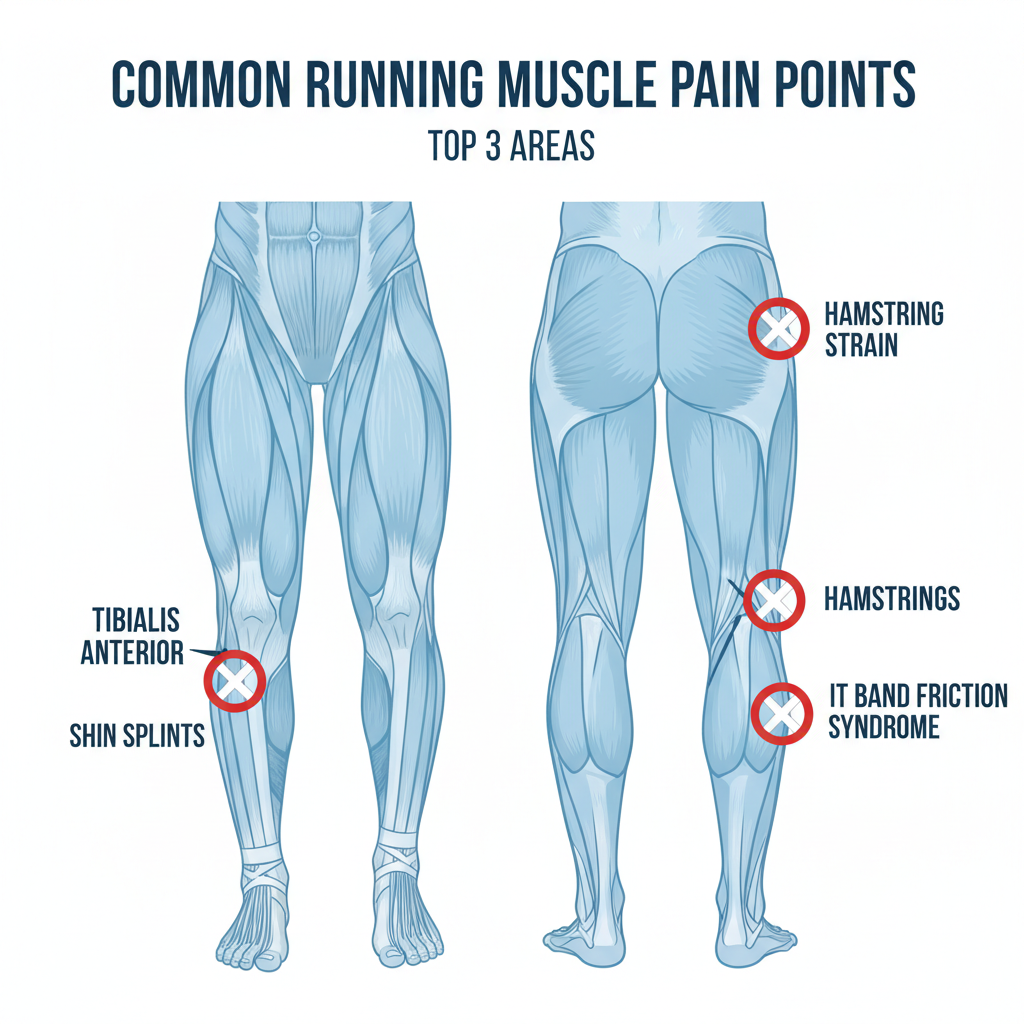
- Runner’s Knee (Patellofemoral Pain Syndrome): A dull pain around the front of the kneecap. It’s one of the most frequent complaints and often linked to overuse or improper form when your body is tired.
- Shin Splints (Medial Tibial Stress Syndrome): A throbbing or aching pain along the inner edge of your shinbone. This often happens when you increase your running intensity or distance too quickly.
- IT Band Syndrome: An intense pain on the outside of the knee, caused by the inflammation of the iliotibial band. It’s common among long-distance runners.
Recognizing these is the first step. The next, and most crucial, is actively working to prevent them.
The Golden Rule: Your Warm-Up is Non-Negotiable
Tempted to just burst out the door and start your run? We get it. But taking just 5-10 minutes to warm up can be the difference between a great run and a month of recovery. A proper warm-up increases blood flow to your muscles, making them more pliable and ready for action. Forget static stretches (touching your toes and holding); before a run, your body needs dynamic movement.
Dynamic Stretches to Add to Your Routine:
- Leg Swings (Forward and Sideways): 10-12 swings per leg.
- High Knees: 30 seconds.
- Butt Kicks: 30 seconds.
- Walking Lunges: 10-12 per leg.
These movements mimic the motion of running and prepare your joints and muscles for the stress ahead. For a deeper dive into flexibility, check out our guide on Stretching: A Simple Step Towards Fitness Success.
Hydration is Key: Bakit Hindi Sapat ang Tubig Lang
In our climate, you lose more than just water when you sweat—you lose essential electrolytes like sodium and potassium. These minerals are vital for muscle function and hydration. Relying on water alone during long or intense runs can lead to an imbalance, causing cramps, dizziness, or worse. According to research from the National Institutes of Health, maintaining electrolyte balance is crucial for performance and health.

Pinoy-Friendly Hydration Tips:
- Pre-hydrate: Drink a glass of water an hour before your run.
- During the Run: For runs longer than 60 minutes, sip on a sports drink or an electrolyte tablet mixed with water.
- Natural Option: Fresh buko (coconut) juice is a fantastic natural source of potassium!
- Listen to your body: Don’t wait until you’re thirsty. That’s the first sign you’re already dehydrated.
Your Post-Run Recovery Ritual (The Cooldown)
What you do after your run is just as important as what you do before. A proper cooldown helps your body gradually return to its resting state and kickstarts the repair process. This is where static stretching comes back into play, holding each stretch for 30 seconds to lengthen and relax the muscles you just worked.
For deeper recovery, don’t underestimate traditional methods. A good session of hilot, our traditional Filipino massage, can work wonders for sore muscles, acting as a form of deep tissue therapy to release tension and improve circulation. Combining modern **post-run recovery tips** with time-tested local practices can be your secret weapon.
When Pain Lingers: Seeking Sports Physical Therapy in Manila
Sometimes, despite our best efforts, pain persists. It’s tempting to just “run through it,” but this can turn a minor issue into a chronic injury. If you’re experiencing consistent pain, it’s time to consult a professional. Looking for sports physical therapy in Manila is a proactive step towards recovery.
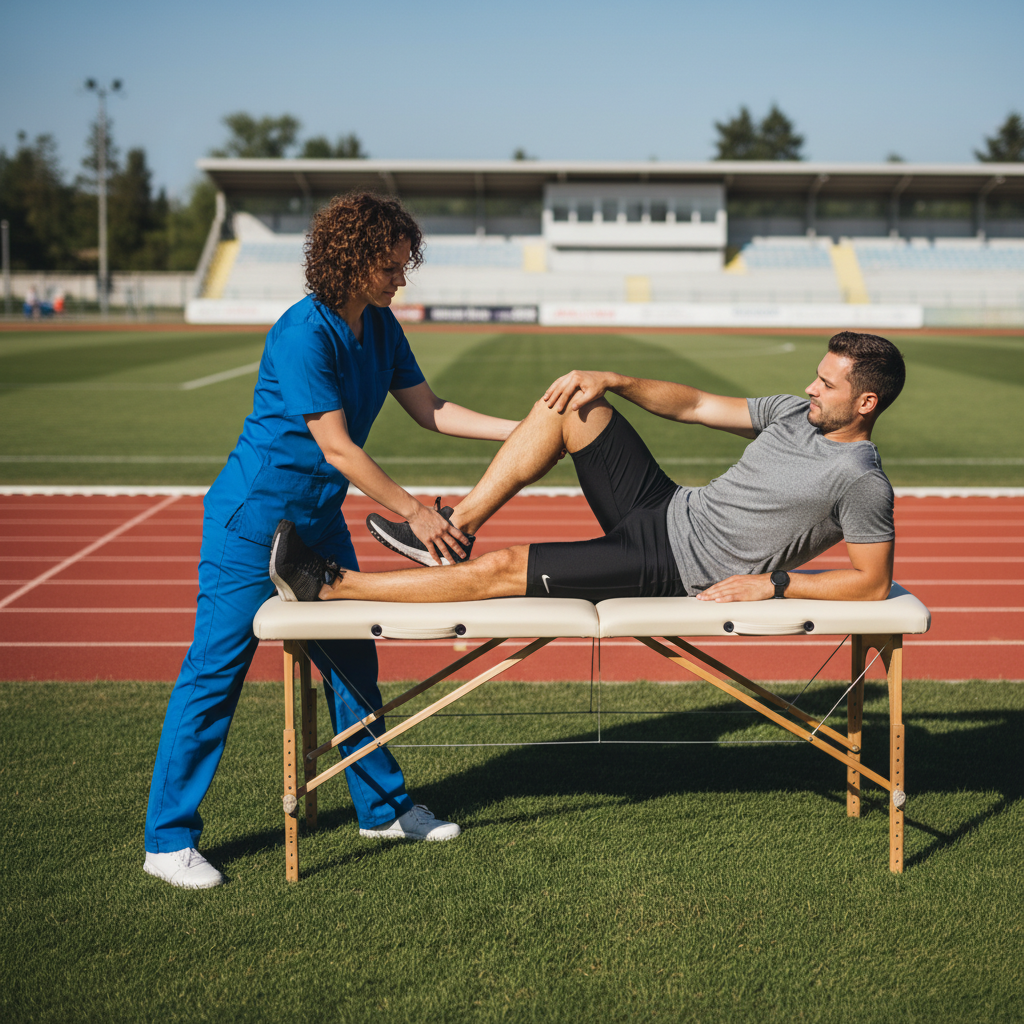
A sports physiotherapist can provide an accurate diagnosis, create a personalized rehabilitation plan, and help you correct any biomechanical issues in your running form. As supported by numerous studies, physical therapy is highly effective in treating and preventing running injuries, ensuring you can return to your passion safely and stronger than before. They are your best bet for a structured approach to runner knee pain prevention.
Run Strong, Run Safe, Kabayan!
Running is a journey of discipline and joy. By incorporating these simple yet crucial steps—a dynamic warm-up, smart hydration, a dedicated cooldown, and knowing when to seek professional help—you can protect your body from the most common running injuries. Embrace the heat, respect your limits, and keep conquering those kilometers.
Ready to put your training to the test? Now that you know how to run safer, find your next starting line! Check out our constantly updated List of Running Events in the Philippines and sign up for your next challenge!
 |